Smart Factories in the Automotive Industry: Empowering Manufacturers in the Digital Industrial Revolution
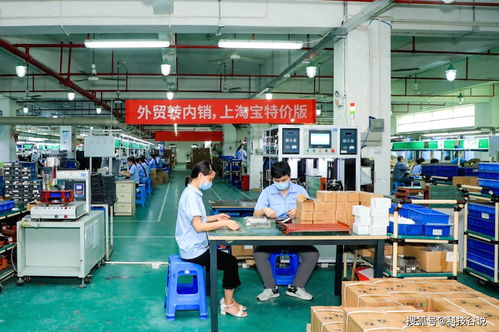
The dawn of the Fourth Industrial Revolution is fundamentally transforming manufacturing landscapes across the globe. Nowhere is this transformation more evident and impactful than in the automotive sector. The advent of the Smart Factory is not merely an upgrade; it is a complete paradigm shift, placing automotive manufacturers firmly in the driver's seat of this digital revolution. This evolution moves beyond simple automation to create interconnected, intelligent, and self-optimizing production ecosystems.
The Core of the Automotive Smart Factory
At its heart, a smart factory leverages a fusion of advanced technologies. The Internet of Things (IoT) connects machines, robots, sensors, and products, creating a continuous stream of real-time data. This data is then analyzed by Artificial Intelligence (AI) and machine learning algorithms to predict maintenance needs, optimize production schedules, and ensure flawless quality control. Additive manufacturing (3D printing) allows for rapid prototyping and customized parts production, while augmented reality (AR) assists workers in complex assembly and training. These technologies converge on a Digital Twin—a virtual, dynamic replica of the entire physical factory. This twin allows for simulation, testing, and process optimization in a risk-free digital environment before any change is implemented on the shop floor.
Steering Towards Tangible Benefits
By embracing this digital model, automotive manufacturers gain unprecedented control and agility:
- Unmatched Efficiency & Productivity: AI-driven analytics minimize downtime through predictive maintenance, while autonomous guided vehicles (AGVs) and collaborative robots (cobots) streamline material handling and assembly. Production lines become adaptive, capable of switching between models with minimal delay.
- Elevated Quality & Precision: Computer vision systems and connected sensors perform millisecond inspections, detecting microscopic defects invisible to the human eye. Every component can be traced throughout its lifecycle, ensuring supreme quality and enabling swift root-cause analysis.
- Mass Customization at Scale: The rigid, linear production line evolves into a flexible network. Manufacturers can efficiently produce vehicles tailored to individual customer specifications—different features, colors, or configurations—without sacrificing speed or cost-effectiveness.
- Enhanced Safety & Sustainability: IoT sensors monitor environmental conditions and machine operations to prevent accidents. Energy consumption is optimized in real-time, significantly reducing the factory's carbon footprint and operational costs.
- Data-Driven Decision Making: Leaders are no longer reliant on historical reports. They have a live dashboard of their entire operation, empowering them to make proactive, strategic decisions based on comprehensive, real-time insights.
Navigating the Implementation Journey
The transition to a smart factory is a strategic voyage, not a simple destination. Key steps include:
- Developing a Clear Digital Roadmap: Aligning the smart factory vision with overarching business goals.
- Building a Robust Data Infrastructure: Establishing secure, high-speed connectivity (e.g., 5G) and cloud/edge computing capabilities to handle massive data flows.
- Upskilling the Workforce: Preparing employees for new roles through training in data literacy, robotics oversight, and systems management.
- Ensuring Cybersecurity: Protecting critical industrial networks and intellectual property from increasingly sophisticated digital threats.
- Fostering Partnerships: Collaborating with technology providers, system integrators, and academic institutions to access expertise and innovate.
Conclusion: The Future is in Production
The automotive smart factory represents the ultimate convergence of the physical and digital worlds. It is a powerful vehicle for innovation, resilience, and competitive advantage. By investing in and mastering these digital technologies, automotive manufacturers are doing more than just adopting new tools—they are seizing the controls, navigating the complexities of the modern market, and accelerating confidently into a future defined by intelligent, responsive, and sustainable manufacturing. The digital industrial revolution is here, and the smart factory ensures that automotive leaders are not just passengers, but the skilled drivers steering the industry forward.
如若轉載,請注明出處:http://www.hnrczx.com/product/6.html
更新時間:2026-11-21 11:56:35